Get Drainage Sloping
Drainage sloping services help property owners improve land drainage, prevent flooding, and prepare for construction projects by connecting with local contractors who specialize in grading and slope adjustments.
Proper drainage is essential for protecting a property’s foundation and preventing water-related issues. Many property owners in the area consider drainage sloping services to ensure water flows away efficiently, reducing the risk of flooding, erosion, and structural damage. Exploring local contractors who specialize in drainage solutions can help homeowners and business owners plan effective projects that address their specific site conditions.
When evaluating options for drainage sloping work, it’s important to compare the expertise and experience of local service providers. By reviewing available solutions and consulting with qualified contractors, property owners can make informed decisions about the best approach to manage water runoff. Continuing to read can provide helpful insights into how local pros can assist with planning and executing drainage improvements tailored to individual property needs.
- Drainage Sloping - needed when proper slope is required to prevent water pooling around foundations.
- Landscape Drainage - essential for managing surface water runoff in gardens and outdoor spaces.
- Driveway Drainage - necessary to avoid water accumulation and potential damage on paved surfaces.
- Basement Drainage - important for directing water away from below-ground levels to prevent flooding.
- Pathway and Patio Drainage - used to ensure water flows away safely from walkways and outdoor living areas.
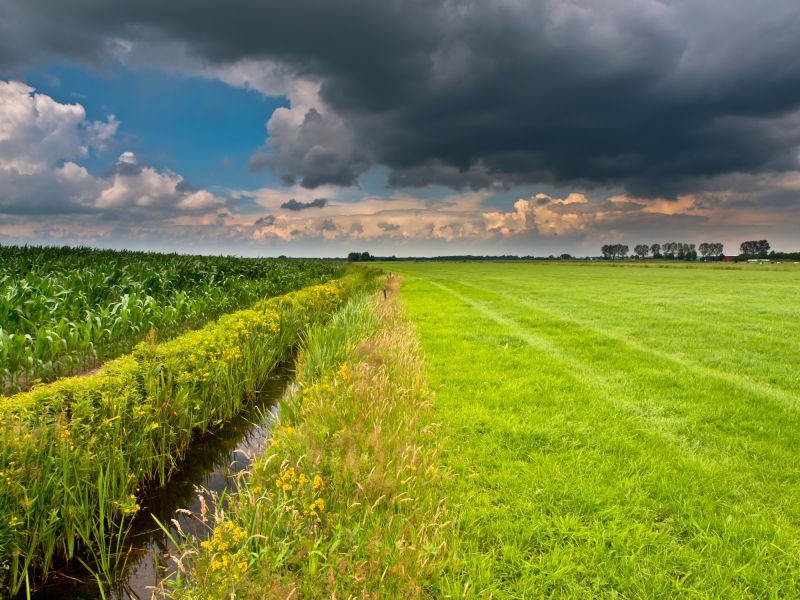
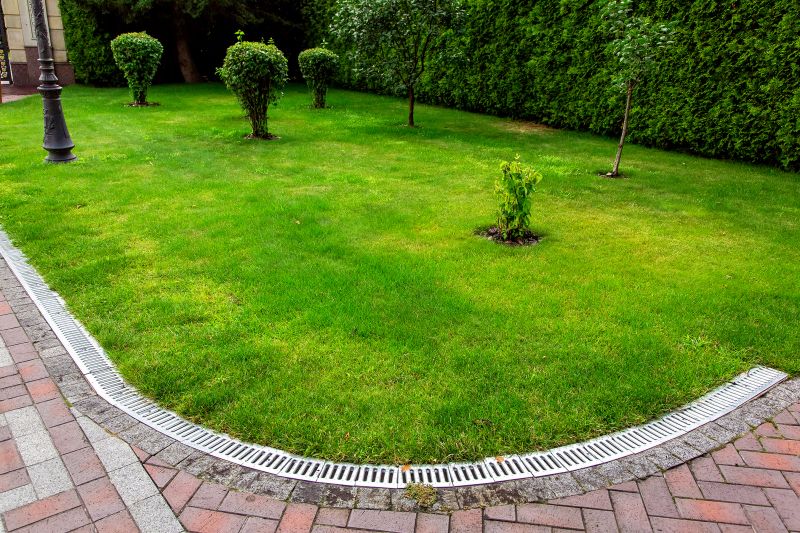
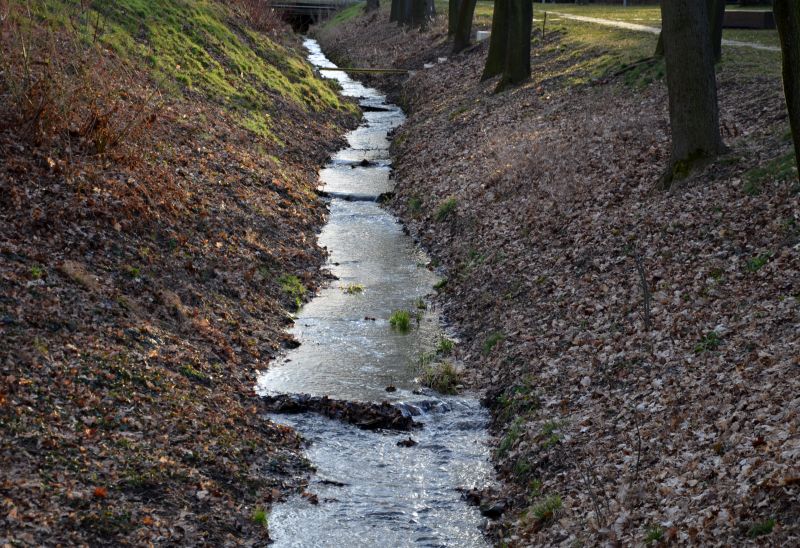
Drainage sloping services involve adjusting the angle of a property's ground to ensure water flows away from foundations, walls, and other critical areas. Properly sloped land directs rainwater and surface runoff toward designated drainage points, preventing it from pooling or seeping into structures. This process typically includes excavating and regrading the soil to establish a gentle, consistent incline that guides water efficiently away from the property. By improving the natural drainage pattern, these services help maintain the integrity of the building’s foundation and reduce the risk of water-related damage.
Many common problems can be addressed through drainage sloping. Standing water around a property can lead to issues such as basement flooding, damp walls, mold growth, and even structural deterioration over time. Poorly graded land often causes water to collect near foundations, increasing the likelihood of cracks and instability. Additionally, excess surface water can create muddy, erosion-prone areas that are difficult to maintain. Proper sloping helps mitigate these issues by directing water away from vulnerable zones, thereby protecting the property's structural health and reducing maintenance concerns.
Properties that typically benefit from drainage sloping include residential homes, especially those on uneven or poorly graded terrain. Older houses with existing drainage issues often require regrading to prevent ongoing water problems. Commercial properties, such as retail stores, warehouses, or apartment complexes, may also need drainage adjustments to ensure safe and effective water management across larger areas. Additionally, properties with gardens, driveways, or outdoor spaces that experience frequent pooling or erosion are good candidates for drainage sloping services. Overall, any property facing water pooling or foundation concerns can consider this solution to improve drainage performance.
Local contractors offering drainage sloping services work with homeowners and property owners to assess specific drainage challenges and develop tailored solutions. The process often involves evaluating the landscape, identifying problem areas, and designing a grading plan that promotes proper water flow. These professionals use various techniques and equipment to reshape the land, ensuring that water is directed away from foundations, walls, and other vulnerable structures. Engaging experienced service providers can help property owners resolve persistent drainage issues, protect their investments, and maintain a stable, dry environment around their property.
The overview below groups typical Drainage Sloping projects into broad ranges so you can see how smaller, mid-sized, and larger jobs often compare in your area.
In many markets, a large share of routine jobs stays in the lower and middle ranges, while only a smaller percentage of projects moves into the highest bands when the work is more complex or site conditions are harder than average.
Smaller Repairs - typical costs for minor drainage sloping adjustments or patch repairs generally range from $250-$600. Many routine jobs fall within this band, depending on the size and accessibility of the area.
Standard Sloping Services - for more common drainage slope corrections or installations, local contractors often charge between $1,000-$3,000. Most projects in this range involve straightforward work with moderate complexity.
Extensive Regrading - larger projects involving significant regrading or slope modifications usually cost between $3,500-$7,000. These projects are less frequent but necessary for complex or property-wide drainage improvements.
Full Drainage System Replacement - complete overhauls or new drainage system installations can reach $8,000-$15,000 or more, depending on the scale and scope. Such jobs are typically reserved for large, comprehensive projects with high complexity.
Actual totals will depend on details like access to the work area, the scope of the project, and the materials selected, so use these as general starting points rather than exact figures.
Foundation Drainage Projects - local contractors often handle foundation drainage systems that require precise grading and slope planning similar to drainage sloping services.
Landscape Grading Services - landscape grading involves shaping the land to ensure proper water runoff, utilizing skills and tools comparable to drainage slope work.
Stormwater Management Systems - designing and installing stormwater systems requires planning and slope calculations akin to drainage sloping projects.
Driveway and Pavement Drainage - ensuring proper slope for driveways and pavements to prevent water pooling involves similar skills in grading and slope assessment.
Retaining Wall Drainage Solutions - installing drainage behind retaining walls demands understanding of slope and water flow management similar to drainage sloping services.
Soil Erosion Control Projects - projects focused on controlling soil erosion often require grading and slope adjustments comparable to drainage system planning.
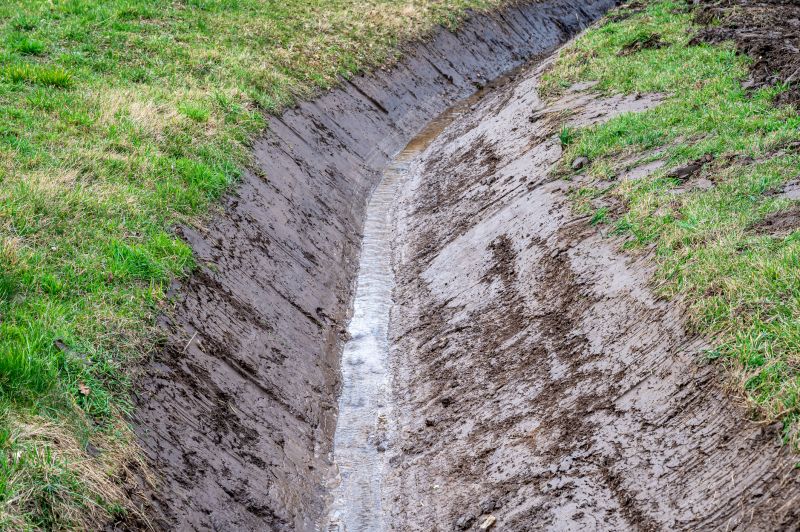
When comparing service providers for drainage sloping projects, it’s important to consider their experience with similar types of work. Homeowners should look for local contractors who have a proven track record of handling projects comparable in scope and complexity. Asking about past projects or requesting examples of completed drainage sloping work can provide insight into their familiarity with the specific challenges involved. An experienced professional is more likely to understand the nuances of proper grading and water flow management, which can contribute to a more effective and durable solution.
Clear, written expectations are essential when evaluating potential contractors. Homeowners should seek detailed proposals that outline the scope of work, materials to be used, and the steps involved in completing the drainage sloping project. Having this information in writing helps prevent misunderstandings and ensures everyone is aligned on the project’s goals. It also provides a basis for comparison among different providers, making it easier to identify which local service providers offer transparent communication and comprehensive planning.
Reputation and communication are critical factors when choosing a drainage sloping contractor. Reputable local contractors often have references or reviews that can be verified, providing confidence in their reliability and quality of work. Good communication throughout the process - including responsiveness, clarity, and willingness to address questions - is also a key indicator of professionalism. While this site introduces homeowners to local options, it does not perform the work itself; instead, it helps connect individuals with qualified service providers who can handle the project effectively.
Property owners use Drainage Sloping services for practical projects around their homes and businesses. This guide focuses on everyday jobs and straightforward project options.
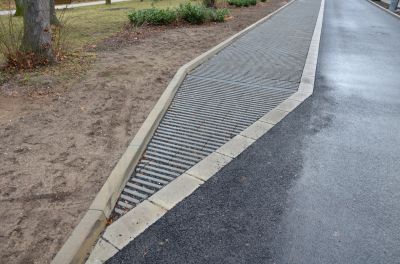
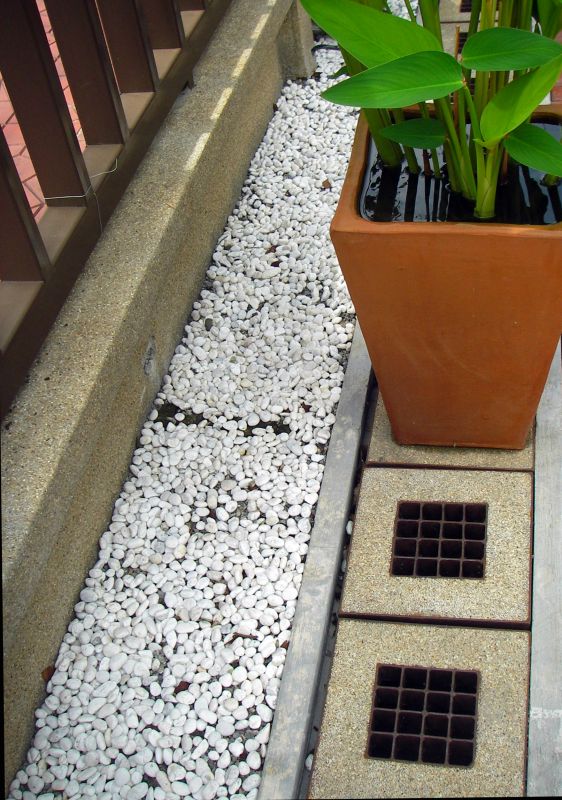
Drainage sloping services are often needed when property owners notice areas where water tends to pool or drain slowly after heavy rain. Improperly graded land can lead to water collecting around foundations, potentially causing damage or flooding. Local contractors who specialize in drainage sloping can assess the terrain and make adjustments to ensure water flows away from buildings, helping to protect the property’s structural integrity and prevent ongoing water issues.
Homeowners might also seek drainage sloping work when preparing for landscaping projects or installing new outdoor features. Properly sloped surfaces are essential for directing rainwater away from patios, driveways, and garden beds. Local service providers can evaluate existing slopes and recommend or implement modifications to improve drainage, making outdoor spaces safer and more functional during wet weather.
What is drainage sloping and why is it important? Drainage sloping involves designing surfaces to direct water away from structures and prevent pooling, helping to reduce water damage and erosion around a property.
How do local contractors determine the proper slope for drainage? Contractors assess the property's terrain, existing drainage patterns, and the intended use of the area to establish an effective slope that promotes proper water runoff.
What types of surfaces can be effectively sloped for drainage? Driveways, walkways, patios, and lawns are common surfaces that can be sloped to improve drainage and prevent water accumulation.
Can drainage sloping help prevent basement flooding? Yes, properly sloped surfaces can direct water away from the foundation, reducing the risk of basement flooding caused by excess surface water.
What should be considered when planning drainage sloping services? Factors include the property's layout, soil type, existing drainage issues, and the desired water flow direction to ensure effective and lasting results.
Driveway and Yard Drainage - Proper sloping can help direct surface water away from walkways and gardens, reducing pooling and erosion.
Foundation Drainage Solutions - Ensuring the ground slopes away from a building’s foundation helps prevent water infiltration and structural damage.
Rainwater Management - Adjusting slopes around a property can improve rainwater runoff, minimizing the risk of flooding during heavy storms.
Landscape Drainage Planning - Integrating drainage slopes into garden and lawn designs can promote healthy plant growth and prevent waterlogging.
If you are thinking about Drainage Sloping for a property, this guide is meant to help you understand the work, the typical project types, and how different options might fit your plans.
When you are ready, you can use the quote form on this page to share a few details about your project. From there, local pros can review the basics and respond with options that match what you have in mind.